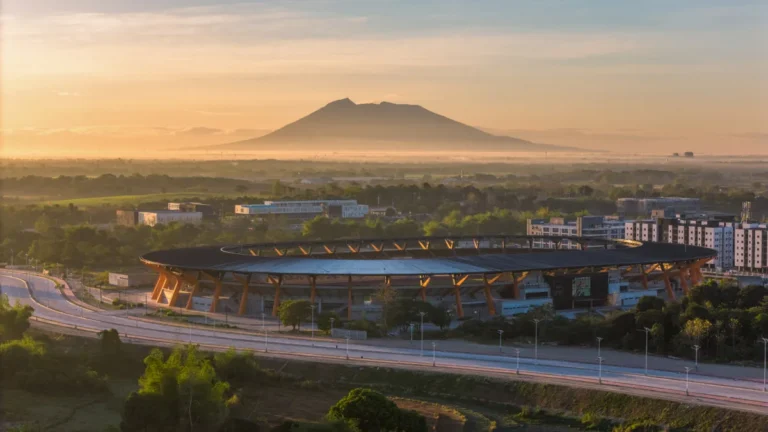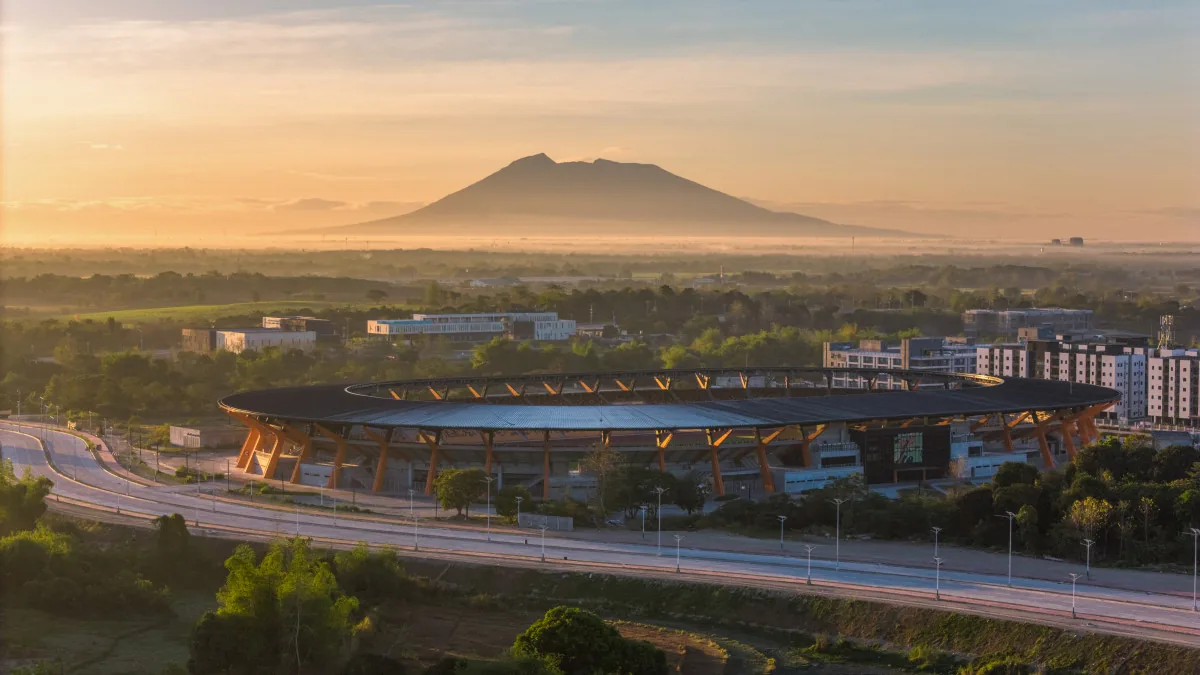
A planned US-backed AI hub in Capas, Tarlac, is facing a backlash over the land, power, and water it would take. It would be the first hub of its kind under Pax Silica, the US State Department’s main effort on AI and supply chain security.
The hub would cover 1,600 hectares of New Clark City. The New York Times reported on November 16th that the plan has sparked fierce opposition over displacement, resources, and threats to national sovereignty.
How much power the hub would need
The Bases Conversion and Development Authority (BCDA) is the government agency behind the hub. It gave an early estimate of about 3GW for the finished hub, and said that wouldn’t cut into the area’s current power supply.
The agency aims to run the site mainly on solar. It said 500MW of solar power is already available. As we reported this month, a Department of Energy official said a nuclear reactor is also part of the talks.
Where the water would come from
The BCDA said the hub would rely mainly on rainwater, which it would collect and store for use all year. The agency said this is meant to limit groundwater pumping, since water tables are dropping in parts of Central Luzon.
What the hub would actually make
So what would all that power and water go to? In August, the BCDA said the site wouldn’t house huge AI data centers.
The BCDA’s chief compared it instead to the economic zones in the CALABARZON region. Companies there make electronics and parts such as chips. He said the hub would also turn raw minerals the Philippines now exports into tech parts.
Aeta leaders want the hub canceled
Sitio Sapang Kawayan is a remote Aeta community in Barangay Aranguren, Capas. GMA News reported in August that its leaders called for the hub to be canceled. They also rejected the BCDA’s statement that the site is public land with no ancestral domain title.
The community first applied for that title in 1984, but it still hadn’t been issued as of August. One resident said their ancestors are buried there. The community’s chieftain said in Filipino that they’ll fight for their rights and won’t leave.
The BCDA denied that the hub would displace 20,000 Aetas and farmers, as the environmental group Kalikasan had estimated. It said around 10 farmers would be directly affected, and that livelihood programs are being prepared for them. The Marcos government also said no farmers would be displaced, citing the site’s status as a “buildable zone” since 2019.
What happens next
In a November 7th statement, US Ambassador Lee Lipton said the US expects “rigorous discussions on impacts to all stakeholders.” In July, the BCDA said it would spend 2027 planning and start construction in 2028.