Samsung will make the base dies for NVIDIA’s custom high-bandwidth memory (HBM) on TSMC’s 3nm process, Seoul Economic Daily reports, citing industry sources. It would be the first time Samsung has teamed up with TSMC at the HBM manufacturing stage.
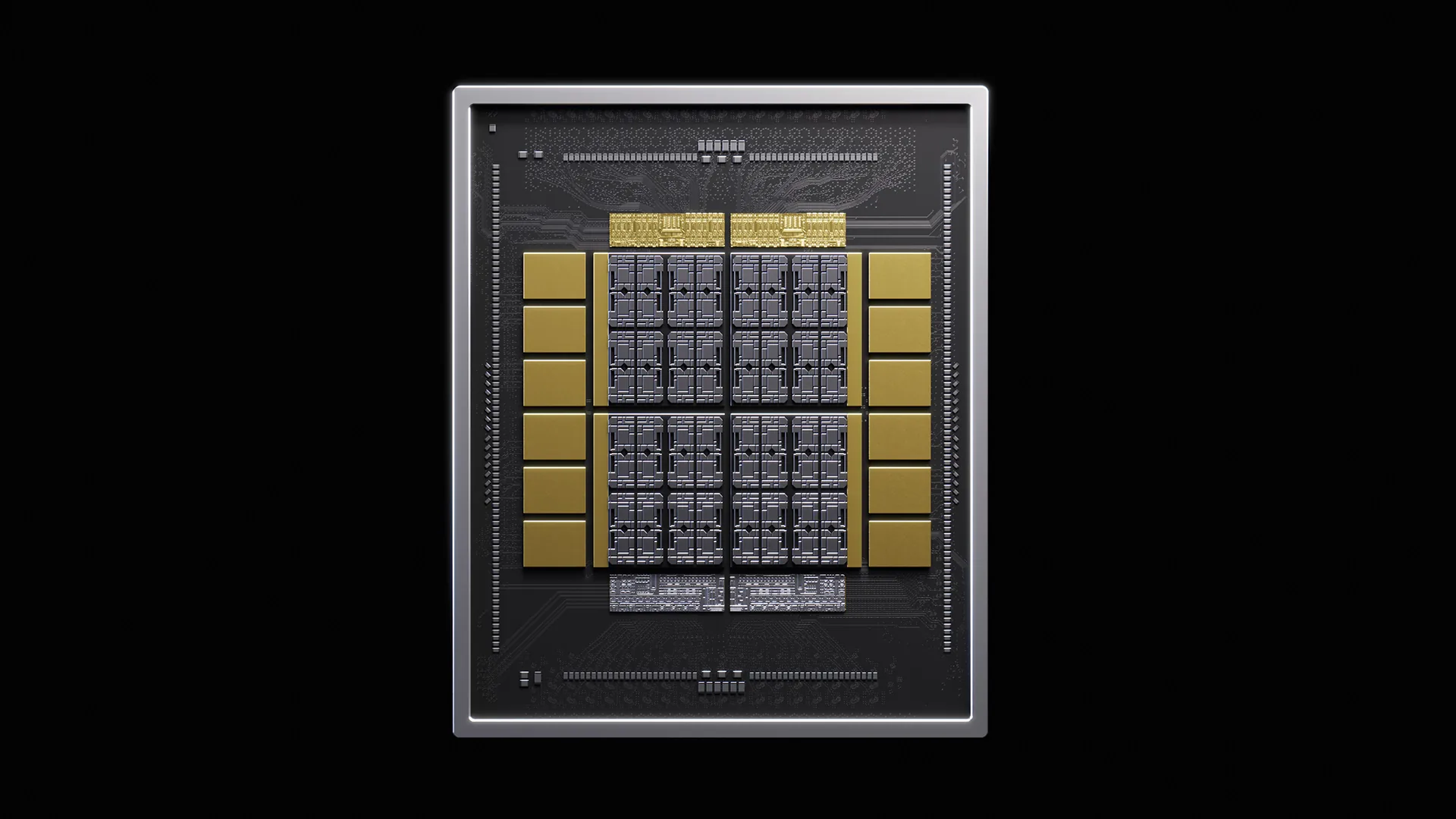
NVIDIA first unveiled that memory, dubbed NVHBM, in August. It moves the memory controller off the AI chip and into the 3D HBM stack, on a custom base die, as specified in an NVIDIA technical post. NVIDIA claims up to 30% more memory bandwidth per stack and 15% lower HBM power than standard HBM4e.
NVIDIA wants that base die to be the same from every supplier. It asked Samsung, SK hynix and Micron to build NVHBM base dies on TSMC’s 3nm and to standardize the DRAM layers above on the sixth-generation process, 1c. Different manufacturing methods across suppliers make consistent performance hard to deliver, according to the report.
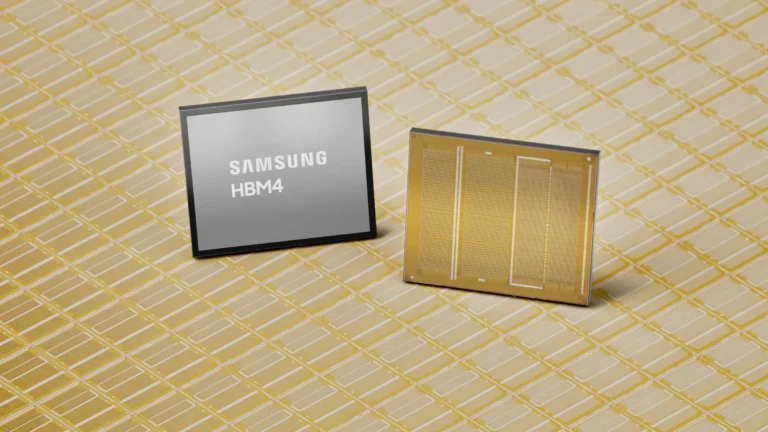
Samsung is said to have accepted after an internal review. Until now, it has made both the DRAM layers and the base die for all of its HBM, and its HBM4 base dies come off its own 4nm foundry process. So a company with its own foundry is sending this job to TSMC.
The in-house model stays for standard HBM and for custom HBM for other customers, including AMD. Samsung is also checking whether its own foundry can make NVHBM base dies, which an industry official calls a hedge in case demand outruns TSMC’s capacity.
The report rests on unnamed industry sources, not the companies, and names no chip, start date or volume.
Samsung and TSMC have both worked together on HBM before, just not on directly making it: four years ago, Samsung made sure its memory was compatible with TSMC’s packaging process. But times are different now; we’re in a post-AGI world, at least from the eyes of NVIDIA – and they want all the high-speed memory they can get.