Worldwide PC shipments fell 20.1% year over year (YoY) in the third quarter, to 62.7 million units, according to IDC’s preliminary count. The short version of why is memory – or the RAMpocalypse, in the parlance of our times. The chips that hold a PC’s working memory and its files got so expensive this year that PC makers and stores bought early, then ran short of shoppers.
We covered the shipment numbers when IDC’s count came out. This is the story behind them, and what it means if you’re shopping for a laptop today.
What memory prices did in 2026
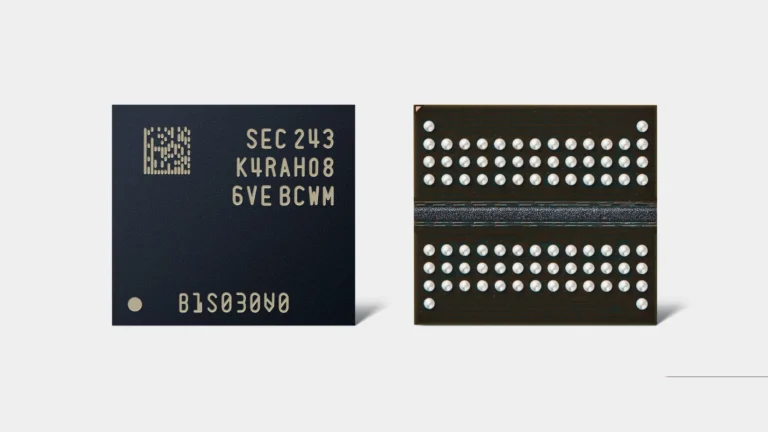
Two kinds of memory matter here: DRAM, which is your PC’s RAM, and NAND flash, the chips inside an SSD. The prices that moved are contract prices, what memory makers charge big buyers like PC makers. TrendForce, a market research firm that tracks them, measures the change quarter by quarter.
The first quarter was the shock. In February, TrendForce raised its forecast for conventional DRAM contract prices from a 55-60% rise to 90-95%, in just three months. PC memory was set to more than double, which TrendForce calls “a new record for a quarterly surge.” NAND flash was forecast to climb 55-60%.
If you’re looking for someone – or something – to blame, blame AI. TrendForce notes you can thank “persistent AI and data center demands” for worsening the global memory shortage. Memory makers were also moving some NAND production lines over to DRAM, which squeezed SSD supply too.
The increases have slowed since, but they haven’t stopped. TrendForce’s Q4 forecast still has conventional DRAM contract prices rising 10-15% from the third quarter, and NAND flash 15-20%. Memory makers keep shifting capacity toward servers, where demand is strong and margins are higher.
Why PC makers stocked up early
When a part gets pricier every quarter, you buy it before the next price list. That’s what the industry did here. There was a scramble, too: TrendForce says PC shipments in late 2025 beat expectations and left PC memory in short supply. Even the biggest PC makers, with supply already promised to them, watched their memory inventories shrink.
“Vendors and channels loaded up on inventory early in the year to get ahead of price hikes,” IDC research director Jitesh Ubrani says in IDC’s release. The “channels” are the distributors and stores that sell the machines. IDC says that rush borrowed volume from the second half of the year. The third quarter is normally bigger than the second. This year it came in 9.1% smaller, as stores sold through PCs they’d already bought.
PC makers are still living off that stockpile right now. TrendForce says they can lean on finished laptops and channel stock built in the first half of 2026 to cover Q4 shipments. Yet they’re still buying DRAM aggressively, because they expect supply to stay tight in 2027.
Who absorbs the cost
Mostly, well, you. IDC says high prices are suppressing demand, and that PC prices will stay well above year-ago levels. TrendForce says notebook inventories are now “increasingly reflecting higher component costs.” In other words: the laptops reaching shelves now were built with the expensive memory.
Then there’s the quieter version. TrendForce says PC brands are cutting SSD capacities in mainstream models to lower their costs now.
It’s shrinkflation, laptop edition: the machine gets cheaper to build, and you get less storage inside it.
PC makers are paying in volume. Lenovo, HP, and Dell all fell faster than the market and together gave up 4.2 points of share, which IDC says was likely the effect of the early-year pull-in. HP took the worst of it, down 30.9%.
Building your own PC instead of buying a pre-built unit or a laptop doesn’t solve the problem either. TrendForce says raw flash prices have hit historical highs that retail channels “are increasingly unable to absorb,” so module makers, the main buyers, are ordering more cautiously.
The one group still paying faster-rising prices is AI. Enterprise SSDs are the only memory category where TrendForce sees increases speeding up this quarter, as cloud providers build out AI infrastructure.
Buy now or wait?
IDC’s one bit of good news: stores’ inventory worries “could translate into promotions and some short-term relief for consumers.” But not much. “We don’t expect pricing anywhere near what it was a year ago,” Ubrani says. “Prices will remain elevated.” TrendForce goes further: PC memory supply could shrink in 2027 as more capacity moves to servers.
So here’s our call. If your PC still works, keep it, and don’t panic-buy to beat the next hike. The industry already tried that, and you’re reading about the hangover. If you need a new computer in the next few months, buy into the discount deals instead of holding out for next year. Nothing in IDC’s or TrendForce’s numbers says things get cheaper in 2027.
Just remember these rules: Buy all the RAM and storage you’ll need for the next few years up front, since those are the parts driving the hikes. And check the SSD size on the spec sheet, because this year’s model may not match last year’s. The deals are coming and we need all the vouchers we can get.