Samsung Electronics made a record 107.4 trillion won (about $80.1 billion or Php 5.1 trillion) in operating profit from July to September, and its chip division made 106.5 trillion won of it, the company reports. The total came out in its October 8th guidance; the split by business is new.
Its phone and network business lost 0.6 trillion won (about $450 million or Php 29 billion), after a 0.7 trillion won loss the quarter before. A year earlier, it made 3.6 trillion won (about $2.7 billion or Php 172 billion). Samsung’s investor presentation has the rest, in the table below.
| Business | Q3 2025 | Q2 2026 | Q3 2026 |
|---|---|---|---|
| Chips (DS) | 7.0 | 89.2 | 106.5 |
| Samsung Display (SDC) | 1.2 | 0.7 | 1.1 |
| Harman (car and audio) | 0.4 | 0.4 | 0.6 |
| TVs and appliances (VD/DA) | −0.1 | −0.01 | −0.2 |
| Phones and networks (MX/NW) | 3.6 | −0.7 | −0.6 |
| Total | 12.2 | 89.5 | 107.4 |
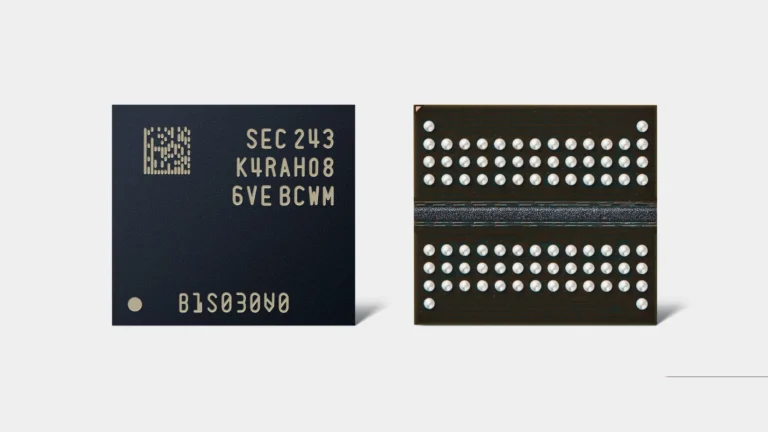
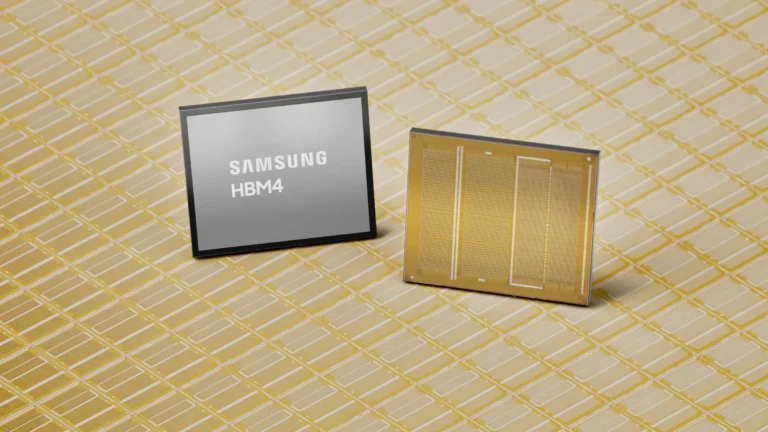
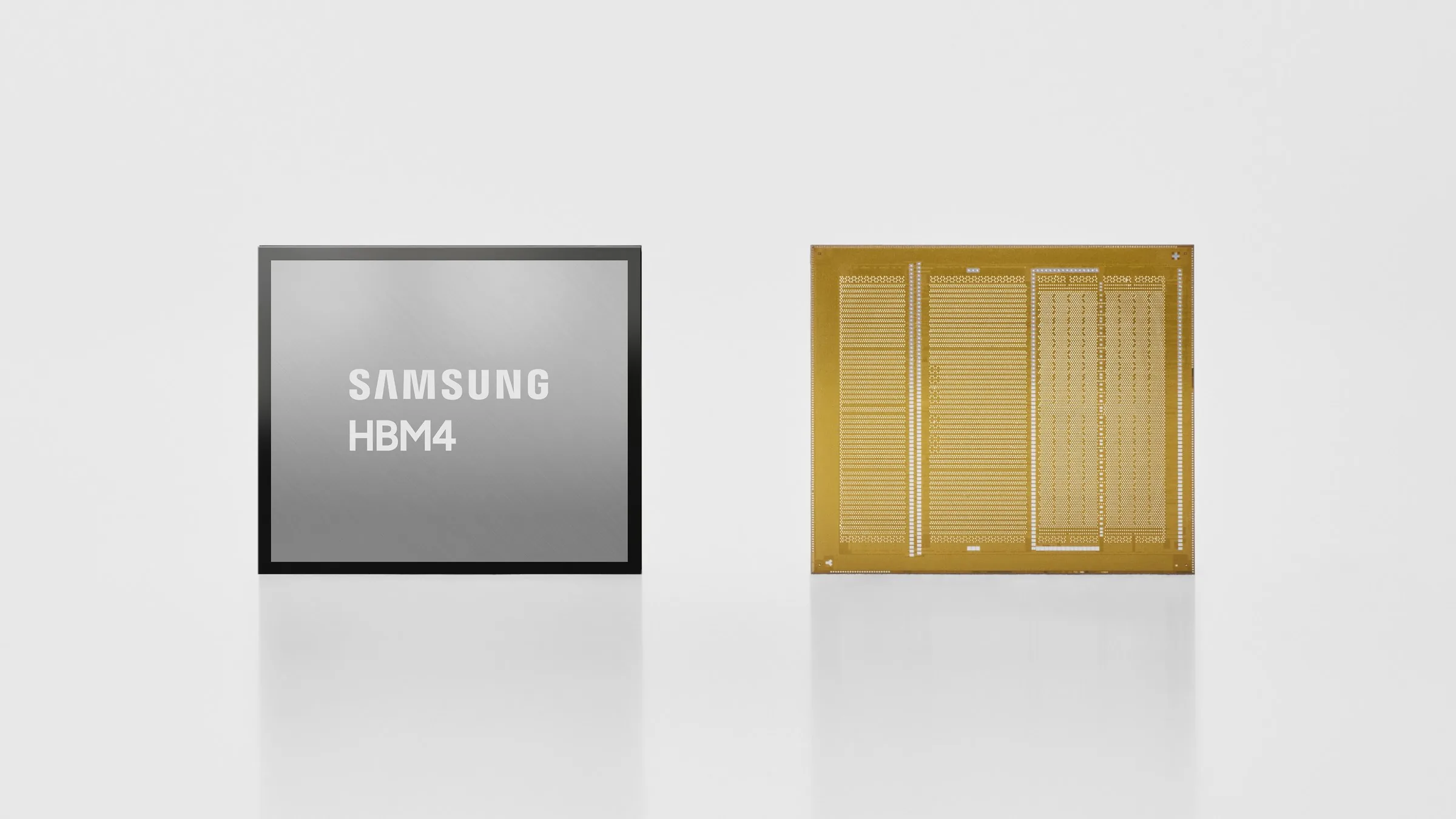
Memory set records for revenue and profit again. Memory revenue reached 140.7 trillion won (about $105 billion or Php 6.7 trillion), up 427% from a year earlier, as server demand pushed market prices up “across all applications.” With limited capacity, Samsung focused its memory sales on AI products and “significantly scaled up” sales of its HBM4 high-bandwidth memory.
Samsung doesn’t expect the memory crunch to ease. It says AI-driven demand in 2027 “will far exceed the industry supply in comparison with 2026,” and it plans to lock in sales with multi-year contracts. Rival SK hynix, which reported a day earlier, expects demand to outrun supply through 2030.
Phone and network revenue rose 14% from the previous quarter to 37.7 trillion won (about $28.1 billion or Php 1.8 trillion), on new flagships like the Galaxy Z Fold8. Earnings still fell from a year earlier “due to cost pressures,” Samsung says.
The company was more specific in July, when the business turned to a loss. On that earnings call, mobile VP Daniel Araujo said memory shortages meant fewer smartphones sold across the market, mostly at the cheaper end, and blamed industry-wide factors “including rising component costs.”
For 2027, the phone business plans to lean on flagships and new hardware and form factors while it tries to “minimize declines in profit.”
Safe to say lunch at Samsung is on the memory team this quarter.