Phone makers shipped 19% fewer smartphones in Q3 2026 compared to a year earlier, and yet revenue still grew 3% to $114 billion (about Php 7.2 trillion), Counterpoint Research says in preliminary estimates. The average phone reportedly sold for a record $442 (about Php 28,000), up 27%.
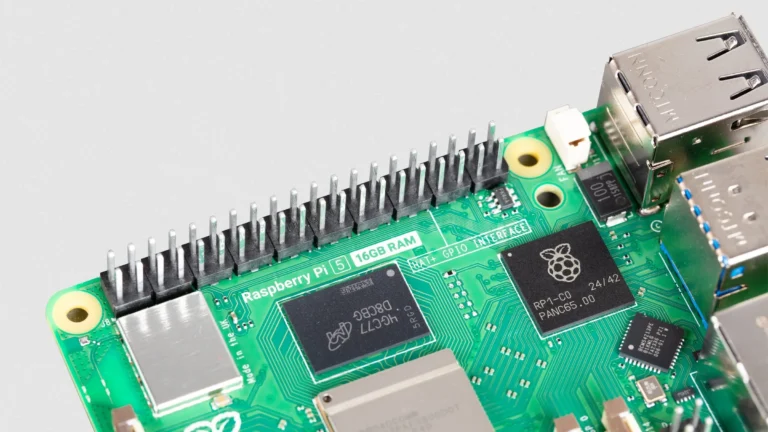
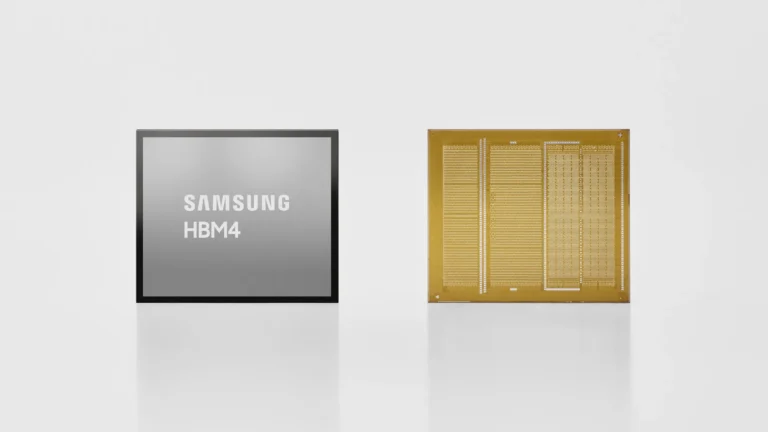
Counterpoint credits pricier phones, a stronger product mix and memory-driven price increases across segments. Its average uses wholesale prices, and its October estimate had shipments down 20%.
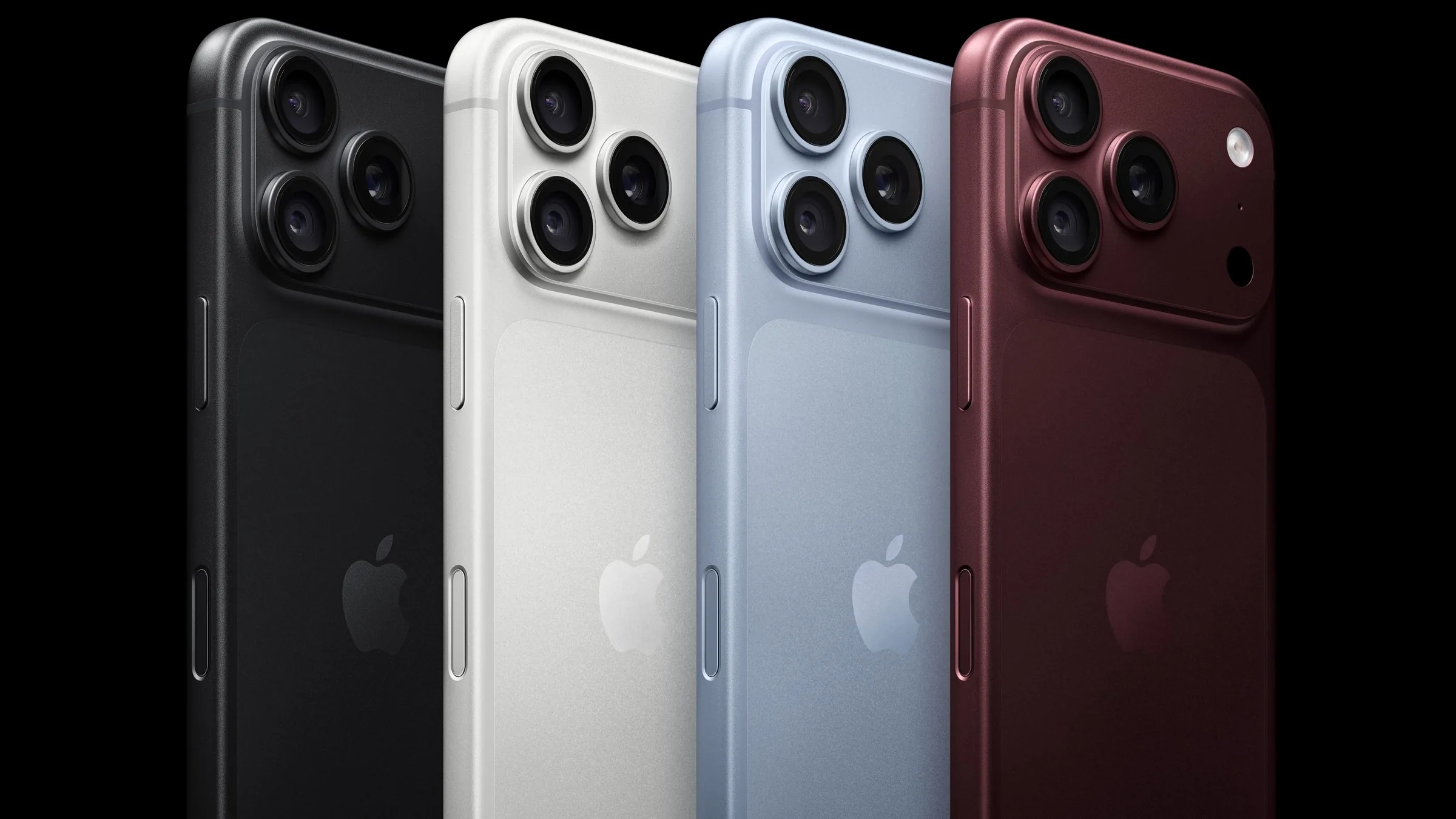
Apple took half of all smartphone revenue, according to the report – its highest share for any third quarter – while shipping about 21% of the world’s phones. Its revenue grew 17% to a third-quarter record on nearly flat shipments, while its average price rose 19% to $1,031 (about Php 65,400).
Tarun Pathak, a research director at Counterpoint, says Apple can pass rising memory costs on to buyers “with minimal impact on demand.” He ties Apple’s higher average price to higher iPhone 18 Pro launch prices, the lack of a base iPhone 18 at launch, and price increases on older models in September.
Samsung shipped the most phones overall, 22% of the total, but took only 19% of revenue. Its revenue rose 14% as its average price climbed 21% to $367 (about Php 23,300), helped by price increases across its Galaxy A series.
Xiaomi’s revenue held flat, as a double-digit rise in its average price offset fewer phones. Revenue at Oppo and Vivo fell 26% and 22%: both put margins ahead of volume and scaled back in non-core markets. The table below has the top five.
| Brand | Revenue share | Revenue change | Average price, Q3 2025 | Average price, Q3 2026 | Shipment share |
|---|---|---|---|---|---|
| Apple | 50% | +17% | $870 | $1,031 | 21% |
| Samsung | 19% | +14% | $304 | $367 | 22% |
| Xiaomi | 6% | Flat | $148 | $210 | 12% |
| Oppo | 5% | −26% | $221 | $267 | 9% |
| Vivo | 4% | −22% | $220 | $258 | 8% |
| All brands | +3% | $349 | $442 |
Higher prices have cushioned revenue, but that doesn’t necessarily mean profit, says Shilpi Jain, a senior analyst at Counterpoint. Entry-level phones are particularly exposed, she says, with little room to absorb higher costs. Samsung’s phone and network business lost money in the same quarter.
Counterpoint expects revenue to shrink in Q4, as falling shipments outpace price rises, though full-year revenue should still beat 2025. Memory costs will push prices up again in 2027, it says, and relief comes only in 2028, when phone makers may spend the savings on upgrades rather than lower prices. In other words, it’s kind of a bad time to be in the market for a new phone right now – better luck next year two years from now.