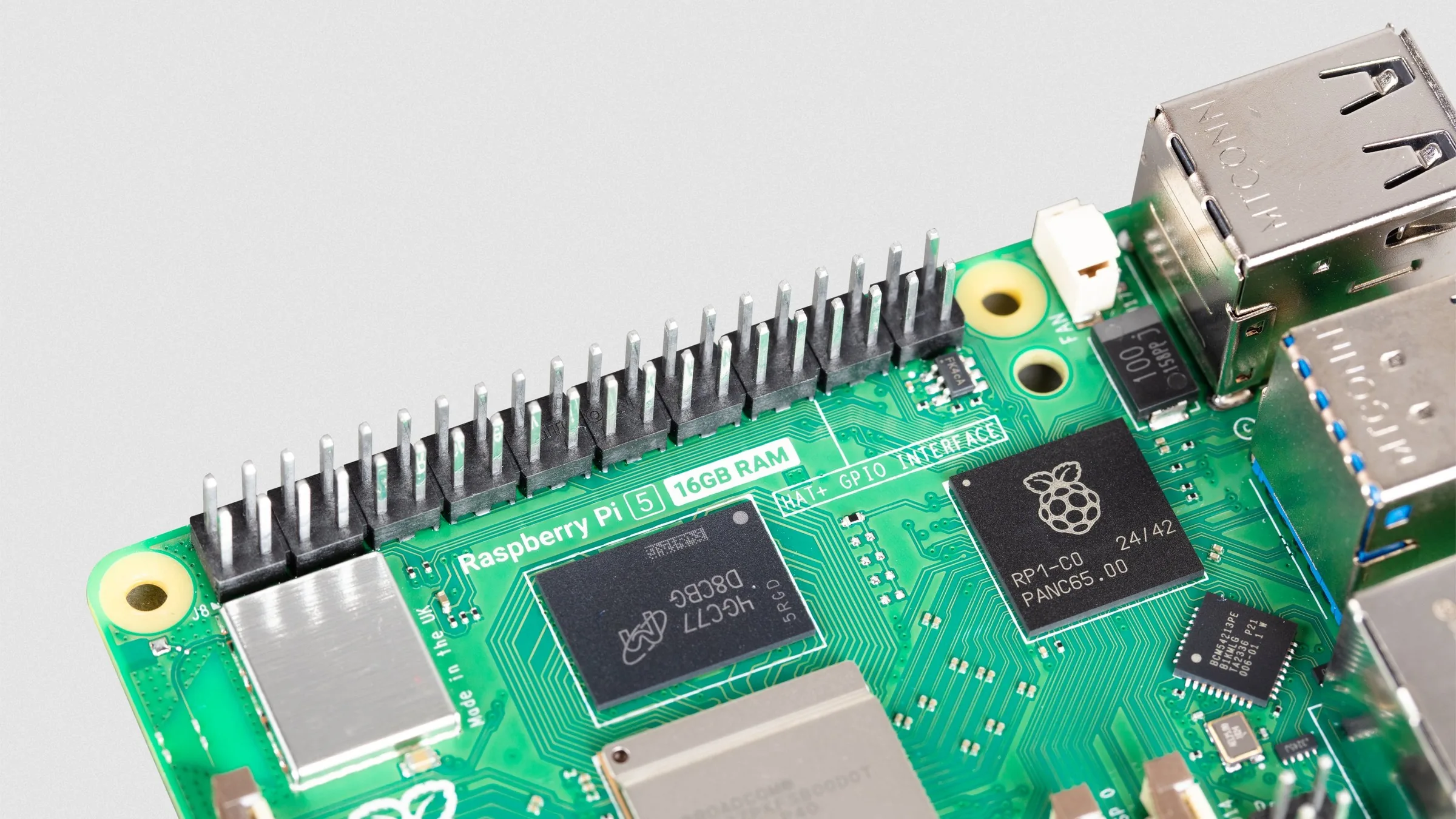
The 16GB Raspberry Pi 5 now costs $385 (about Php 24,500), $80 (about Php 5,100) more than before, Raspberry Pi’s Eben Upton announced. The new price took effect on November 2nd.
Upton blames “a lack of alternative supply for 16GB DRAM,” made worse by other component shortages. Memory costs have climbed steeply for two years in the memory crunch, and this isn’t the company’s first selective price rise.
Raspberry Pi launched the 16GB model at $120 (about Php 7,600) in January 2025, pitching it for memory-hungry work like large language models. At $385, it now costs more than three times that.
The 16GB versions of Compute Module 5, the Pi for building into your own products, go up $40 (about Php 2,500) each. They now run from $375 (about Php 23,900) to $415 (about Php 26,400), depending on wireless and built-in storage.
Raspberry Pi is holding the price of the Raspberry Pi 500+, its desktop computer built into a mechanical keyboard, at $410 (about Php 26,100). It has the same 2.4GHz quad-core processor and 16GB of memory as the Pi 5, plus a 256GB SSD, so the bare 16GB board now costs just $25 (about Php 1,600) less. If you want a 16GB Pi as a desktop, we’d get the 500+.
Upton suggests buying only the memory a project needs: a lower-memory variant, an older Pi, or apps tuned to use less. He also warns that some sellers are using the shortage to charge inflated prices or pass off products “that aren’t what they seem,” and points buyers to Raspberry Pi’s Approved Resellers, which sell at official prices.
Upton calls the memory squeeze “difficult but ultimately temporary,” and says the company looks forward to rolling the increases back when memory costs fall. TrendForce, the research firm his post links to, expects contract prices for conventional DRAM to rise 10% to 15% this quarter, as memory makers keep favoring server products.