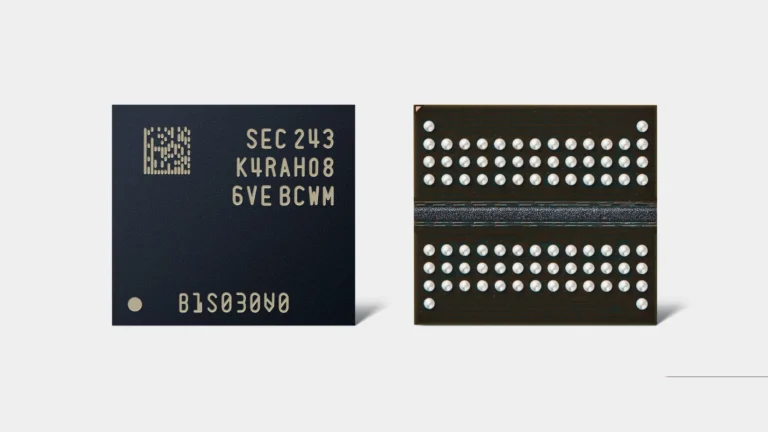
Global smartphone shipments fell 20% year over year (YoY) in Q3 2026, according to preliminary estimates from Counterpoint Research. That’s the weakest Q3 since 2012. Counterpoint blames memory: prices for the chips that give phones their RAM and storage kept rising, which drove up the cost of building a phone and left phone makers short of parts.
Phone makers passed the bill on: the report says global smartphone retail prices are up 20% so far this year. “Q3 was the second successive quarter to take the full brunt of the memory crisis,” says Shilpi Jain, a senior analyst at Counterpoint. People are keeping their phones longer than expected, she says, looking at refurbished ones and favoring higher-value models, while the mass market takes the pressure.
If that sounds familiar, it’s the same squeeze that hit PCs in the same quarter: IDC puts PC shipments down 20.1%, Gartner 22.4%.
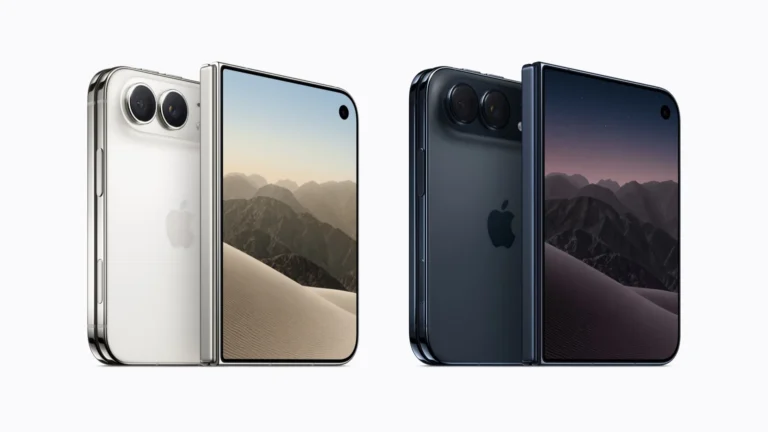
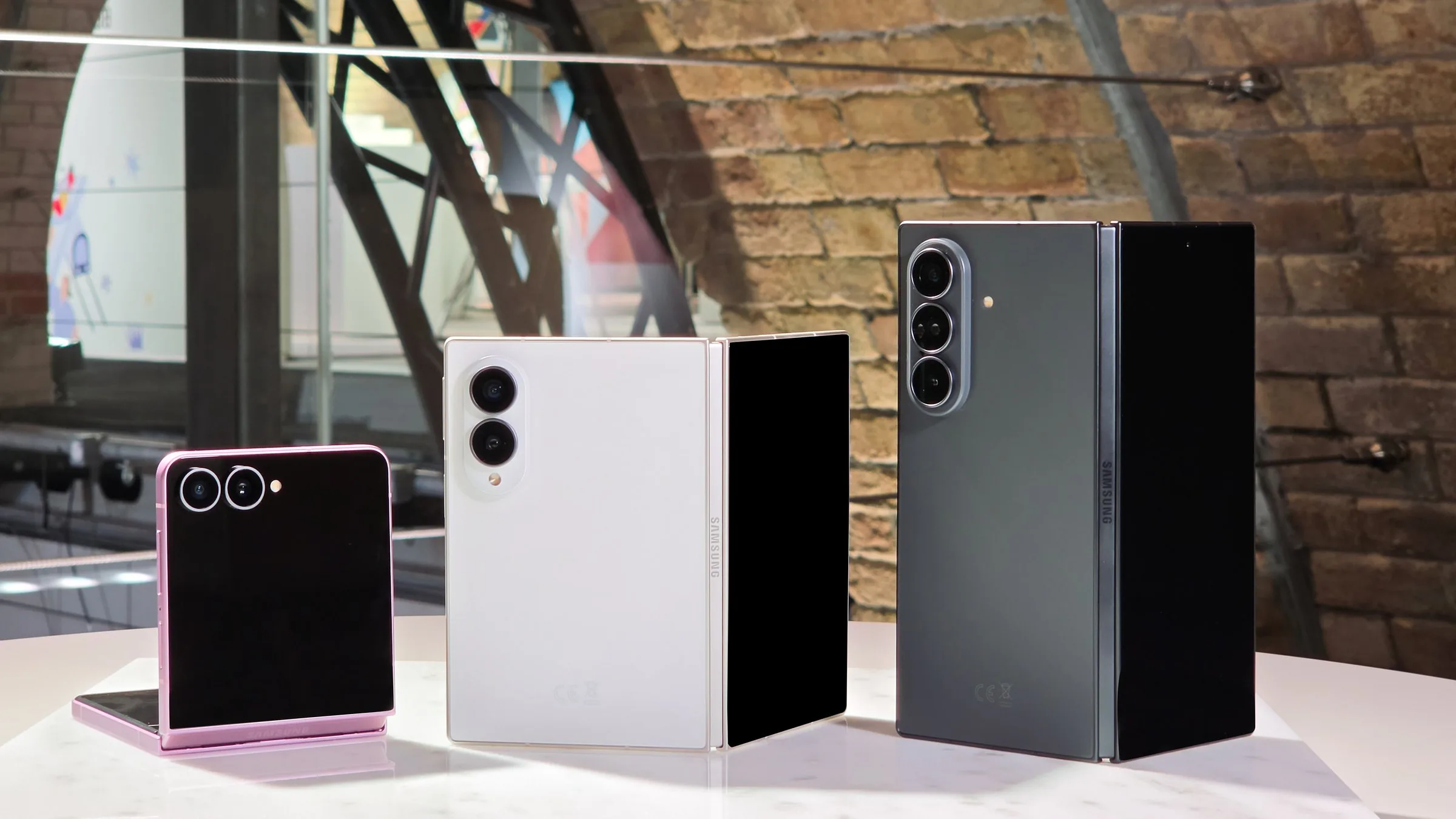
Samsung stayed No. 1 with 23% of the market, up from 19% a year ago, on shipments down just 3%. Counterpoint says Samsung was better placed than rivals to secure supply, and credits strong early demand for the Galaxy Z Fold 8 foldables. And steady parts supply kept its midrange Galaxy A phones flowing in emerging markets, just as some Chinese brands had to pulled back.
Apple took 22%, the first time it has passed 20% in any third quarter. It still shipped fewer iPhones than a year ago: it just took a bigger slice of a smaller pie.
Counterpoint blames the missing base iPhone 18, which meant fewer phones went out to stores during launch month than with last year’s full iPhone 17 lineup. The iPhone 18 Pro models launched stronger than last year’s, especially in China and India. Apple raised prices too, though that only touched the quarter’s final weeks.
The China brands are the ones that took the real hit. Xiaomi shipped more than 30% fewer phones, and its share slid from 14% to 10%. Counterpoint says it pulled back from cheap phones and non-core overseas markets, raising prices rather than selling at margins that don’t pay.
Meanwhile, Oppo and Vivo each shipped more than 20% fewer phones, and their shares fell to 9% and 8%, respectively – as the table below shows. Both raised prices on entry-level and midrange phones. Vivo is focusing on India and China, but its price hikes pushed budget models out of key price bands.
| Brand | Q3 2026 share | Q3 2025 share |
|---|---|---|
| Samsung | 23% | 19% |
| Apple | 22% | 18% |
| Xiaomi | 10% | 14% |
| Oppo | 9% | 12% |
| Vivo | 8% | 9% |
| Others | 27% | 29% |
Counterpoint expects more production cuts, tighter lineups and a bigger focus on premium phones for the rest of 2026. It says volumes won’t meaningfully recover until component costs and supply improve.
So don’t don’t hold your breath for a rebound, especially at the budget end. If you’re in the market, the time to shop is today.