
The memory crunch that squeezed PC makers this year has reached the phones people buy. The average selling price of a smartphone hit a record $442 (about Php 28,000) worldwide from July to September, up 27% from a year earlier, according to research firm Counterpoint, based on wholesale prices. Shipments fell 19%, yet revenue still rose 3% to $114 billion (about Php 7.2 trillion).
Phone makers got more money for fewer phones. Counterpoint puts the higher prices down to pricier models making up more of sales and “memory-driven price increases across segments.” Higher prices don’t necessarily mean higher profits, though, Counterpoint senior analyst Shilpi Jain says, as “rising memory costs continue to squeeze margins.”
For regular users – like you – what exactly does all of this mean?
Where the memory goes
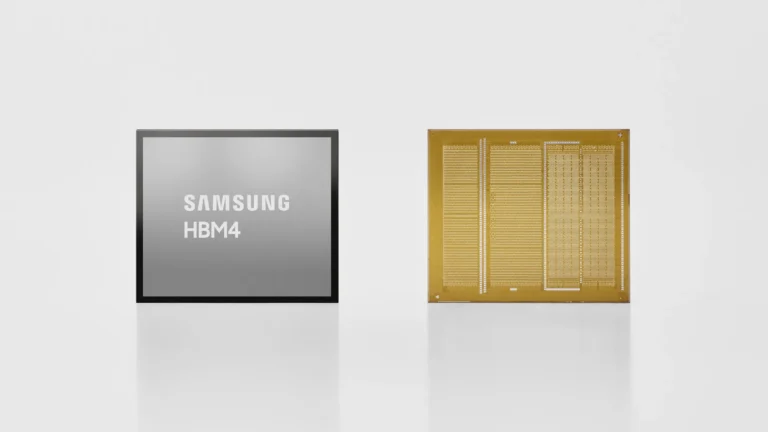
Memory makers are selling to AI first. That is the main thing. DRAM prices have roughly doubled since the end of last year, Nikkei Asia reports, as chipmakers put AI data centers ahead of everyday products like PCs.
Samsung sits on both sides of that trade. Its chip division made 106.5 trillion won of the company’s 107.4 trillion won (about $79.9 billion or Php 5.1 trillion) operating profit from July to September, and Samsung says server demand pushed memory prices up “across all applications.”
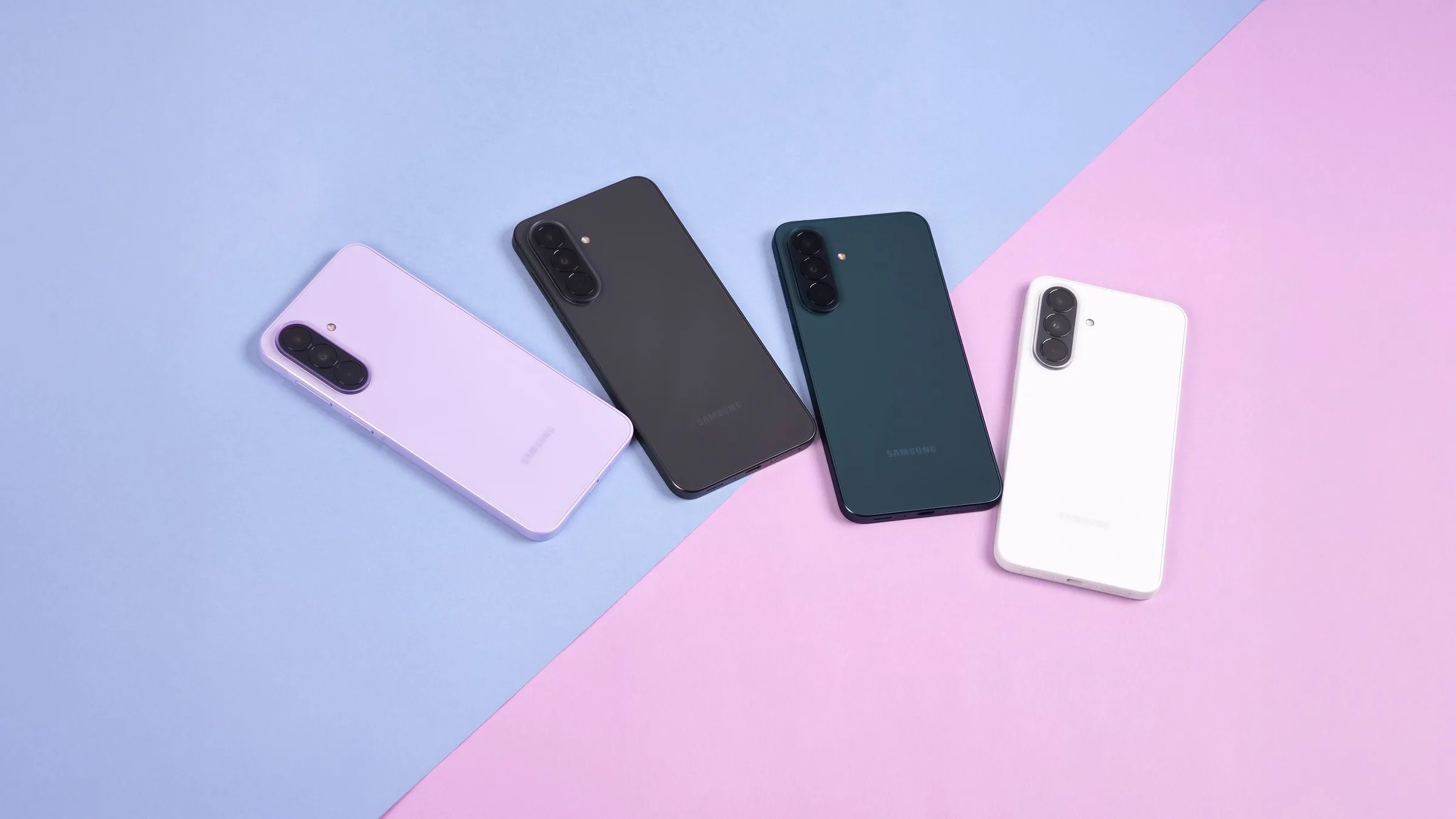
Samsung’s phone and network business lost money over the same three months: 0.6 trillion won (about $450 million or Php 28 billion), with earnings down from a year earlier “due to cost pressures,” the company says. Counterpoint says Samsung’s integrated supply chain helped cushion memory costs, but Samsung still raised prices across its high-volume Galaxy A series. Its average selling price rose 21% to $367 (about Php 23,300).
What has all that led to?
Who’s absorbing the cost
Apple is paying some of it and passing some on. With tariff refunds taken out, its gross margin fell about a point from the June quarter, “primarily driven by higher memory costs,” CFO Kevan Parekh said on Apple’s earnings call. Apple expects its margin to slip to 45% to 46% this quarter, mostly on memory costs, plus some costs from rolling out Siri AI.
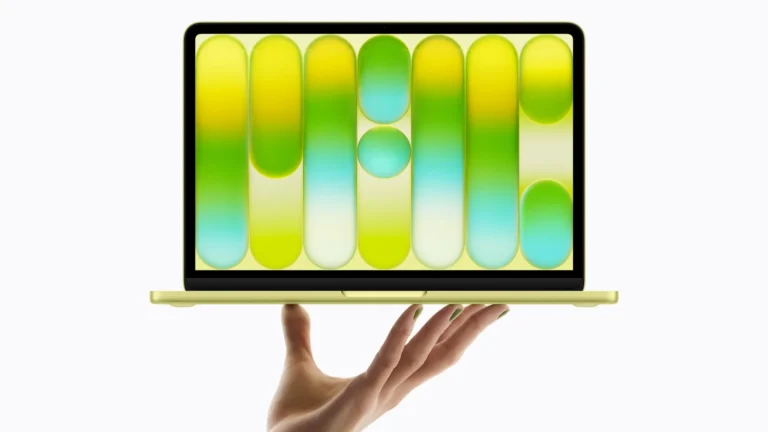
CEO John Ternus called memory pricing “unprecedented.” Apple changed prices on Mac and iPad at the end of June and on iPhone in September, he said, and that made up some of the difference. Parekh said Apple made that decision “reluctantly.”
Apple has more room than most. It took half of all smartphone revenue last quarter, its highest share for a third quarter, Counterpoint says, and its average selling price rose 19% from a year earlier. Counterpoint research director Tarun Pathak says Apple “has the pricing power to absorb rising memory costs and pass them on to consumers with minimal impact on demand.” Higher launch prices for the iPhone 18 Pro, no base iPhone 18 at launch and price increases on older models in September all pushed Apple’s average up, he adds.
Meanwhile, budget phones have the least room. “The entry-level segment is particularly vulnerable, as there is little room to absorb higher costs without compromising margins,” Jain says. Phone makers are raising prices, trimming marginal models and putting their hero phones and key markets first, she adds.
Oppo and Vivo took the volume hit. Their revenue fell 26% and 22% as shipments dropped faster than prices rose, and both put margins ahead of volume and pulled back from markets outside their core, Counterpoint says. (It counts OnePlus and Realme under Oppo.) Xiaomi held revenue flat by passing component costs on and moving away from its cheapest phones.
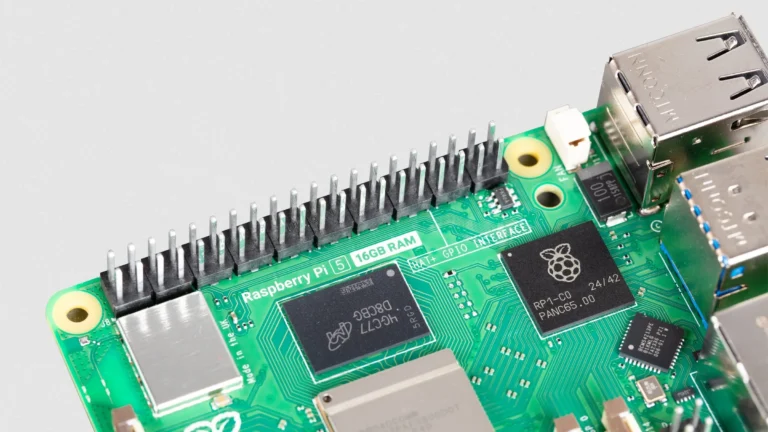
Raspberry Pi is passing it on too, model by model. It raised the 16GB Raspberry Pi 5 by $80, to $385 (about Php 24,400), on November 2nd. Raspberry Pi’s Eben Upton blames “a lack of alternative supply for 16GB DRAM” in a post and calls the increases unavoidable, but the company held the price of the Raspberry Pi 500+, which also has 16GB of RAM.
Is there any end in sight?
When relief might come
Apple expects memory to keep getting pricier. Looking past this quarter, “we see the pricing for memory purchases continuing to increase,” Ternus said. Samsung expects AI-driven memory demand in 2027 to “far exceed the industry supply in comparison with 2026.”
Counterpoint expects worldwide smartphone revenue to shrink this quarter, as shipments fall faster than prices rise. In 2027, it expects memory costs to keep squeezing phone makers’ margins and “drive further price increases,” with shipments falling again, more slowly.
Raspberry Pi is the one company here planning to undo its increases: Upton says it looks forward to rolling them back “when memory costs fall once again.”
So if your phone needs replacing, we wouldn’t hold out for a cheaper one next year. Counterpoint expects cost relief only in 2028, and even then, phone makers may spend the savings on better hardware instead of lower prices.
Comments