China will start requiring export licenses for long-flying drones, drone autopilots, big drone motors and the software that flies them from November 18th. The Ministry of Commerce (MOFCOM), the General Administration of Customs and the Central Military Commission’s Equipment Development Department announced it in a joint notice that updates the drone entries on China’s dual-use export control list.
What kind of drones are we talking here? A drone that can be flown beyond its pilot’s line of sight needs a license if it stays up for 30 minutes to three hours and can take off and fly steadily in 25-knot (46.3 km/h) gusts. At three hours or more, the wind doesn’t matter.
Range and spraying count too. A drone that can fly 300 km or more needs a license, as does one that flies on its own or beyond the pilot’s sight carrying, or built to carry, a spray system over 80 liters. Model aircraft built for entertainment or competition are exempt from both rules.
The new rules also apply to parts. Brushless propeller motors rated at 48V and 3kW or more, with at least 3kW per kilogram and 3,000rpm or slower, need a license, as do their speed controllers.
Carbon-fiber propeller blades from 648mm or 762mm long, depending on the design, or with variable pitch are covered. So are radios made for the long-flying drones that radiate 30 dBm or more, or let one station fly more than 10 of them.
Then there’s the non-hardware bit: software for these drones, flight control for single drones and swarms, autonomous navigation such as jam-resistant satellite navigation, sense-and-avoid and system design. So does counter-drone technology.
Not everything needs a full license review. Drones in the 30-minute-to-three-hour class can ship once the exporter registers each shipment and gets an export certificate. Drones going to trade shows (not defense or police shows) and straight back can do the same. Firms with solid compliance programs, an export record and steady customers can get general licenses.
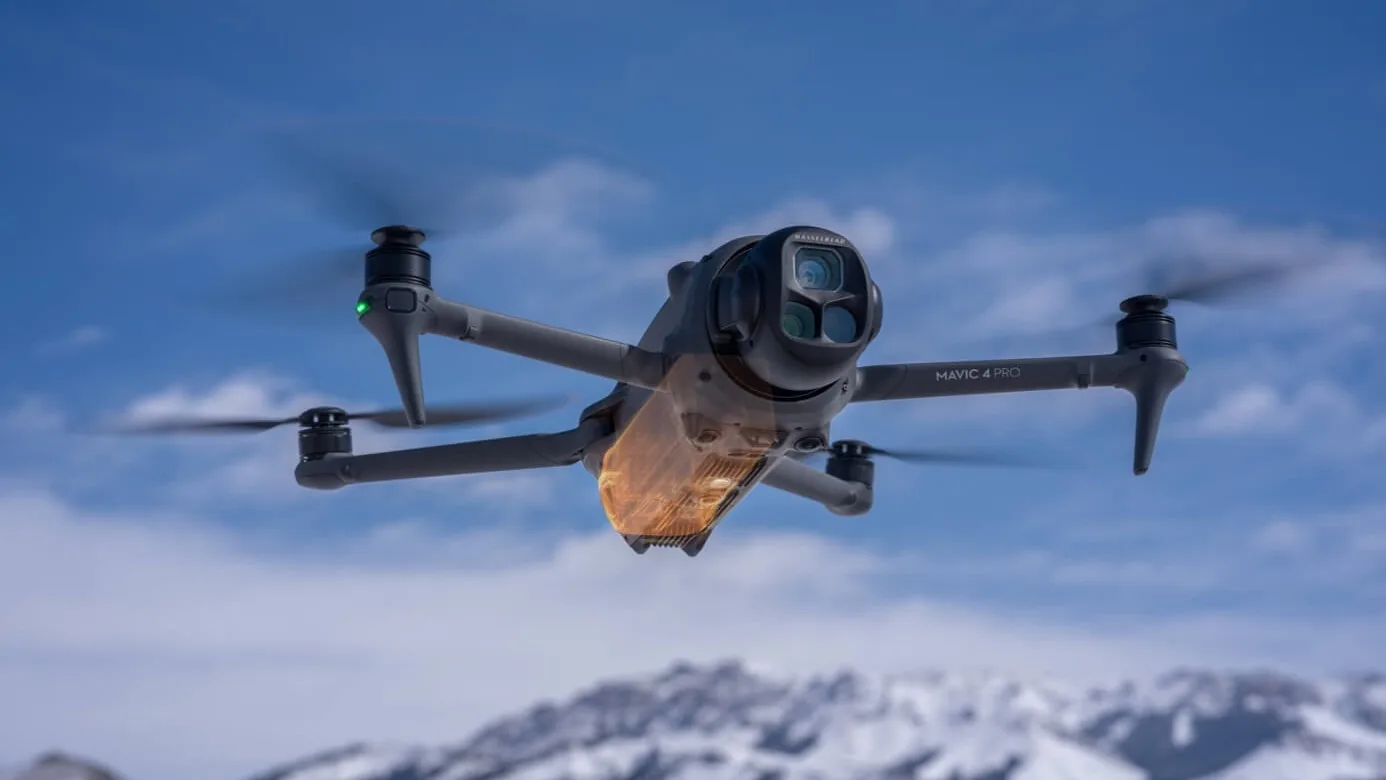
MOFCOM’s spokesperson says some drones that were once advanced are now mass-market consumer products, and that China will approve applications that meet the rules. That’s an export regulator admitting the consumer market caught up. The notice names no brands or models anyway, but a couple of the bigger names come to mind.
Back in 2015, a previoous notice from MOFCOM and customs used the same 30-minute, 25-knot test, but there the wind stopped mattering at one hour, not three. Times have changed a lot since then, and so has the market. It’s only right that the law follows suit.