The AI build-out is now big enough to help hold up the world economy. In its October World Economic Outlook [PDF], released at the IMF and World Bank Annual Meetings in Bangkok, the IMF calls the AI-driven tech boom “an important offset” to geopolitical headwinds, with the war in the Middle East chief among them. It puts global growth at 3.1% this year, a tenth of a point above its July forecast.
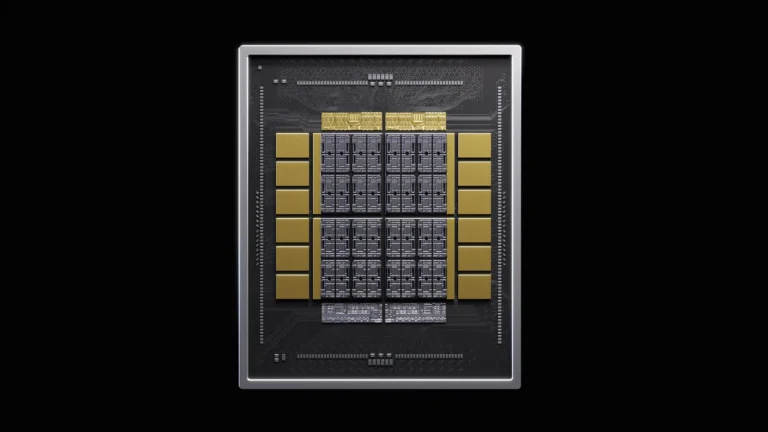
Companies are pouring money into chips, data centers and power. Taiwan and South Korea supply 62% of the net trade in AI computing hardware. China and the US took more than 75% of net imports of that hardware in 2025, and account for 57% of the data centers built since 2024.
Taiwan’s economy should grow 10.7% this year. South Korea’s growth should rise to 3.3%, “buoyed by strong external demand for semiconductors.” Several Southeast Asian economies should get a lift from data center activity, too.
If AI’s productivity gains “fail to materialize,” the IMF’s bust scenario has tech investment dropping sharply and US stocks falling 20%. Because Asia makes so much of the hardware, the hit spreads there too: by 2028, global output ends up 1.1% below the main forecast, with the US 1.8% lower and Asia 1.7% lower. The IMF’s chart labels that Asia figure as Asia excluding China; China itself gets a short-term lift from a weaker dollar.
The IMF’s main forecast assumes no extra boost to productivity from AI. If you want to read the full report and find out more, check out the source link below.