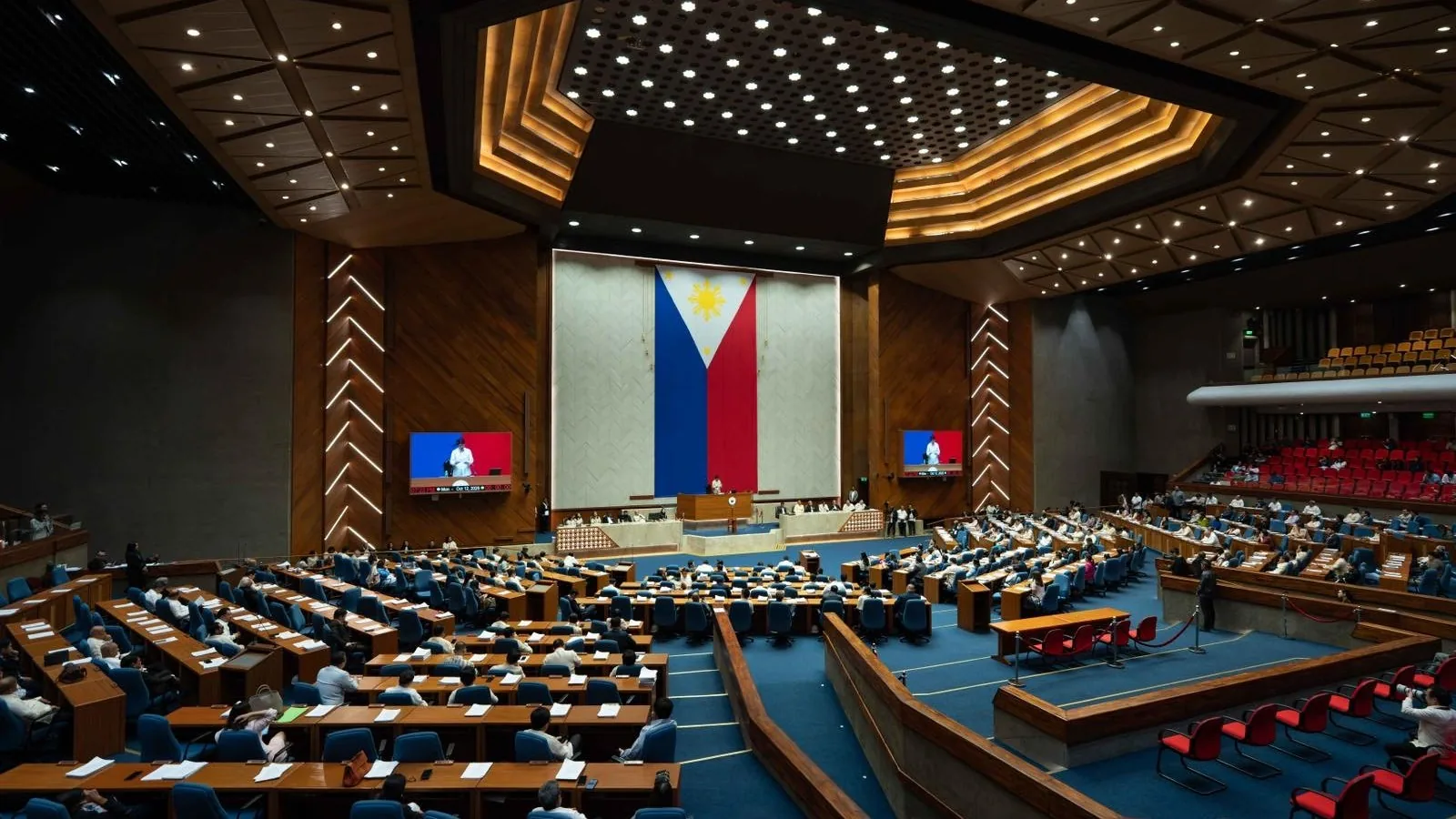
Kids under 13 in the Philippines would be shut out of social media under a bill the House of Representatives passed on third and final reading on October 12th, in a vote on the House’s own livestream. Teenagers would be allowed to stay, but their apps would lose most of the features that keep them scrolling.
House Bill 11566, the Safe and Friendly Environment for Kids in Digital Spaces (SAFE Kids) Act, covers social media, app stores, operating systems and the social features of online games. A platform that finds an under-13 account has to disable it and stop the kid from signing up again. App stores and operating system makers can’t let a user they know or reasonably estimate to be under 13 download a social media app at all.
Meanwhile, teens aged 13 to 17 need a parent’s consent, and they still lose ads, recommendations, endless scrolling, short-form video feeds, livestreaming, behavioral profiling, purchases, and gambling-like mechanics. Take away the algorithm and the shorts, and a teen’s account starts to look like the internet of 2008.
How the age checks would work
Platforms have to re-check users’ ages at least twice a year, and a typed-in date of birth doesn’t count, the bill’s final text says. It doesn’t mandate a method yet, but it lets checks run through PhilSys, the national ID system, with the government doing the verifying so platforms never hold anyone’s ID.
A new SAFE Kids Office inside the DICT, the Philippines’ tech department, enforces the law, and the NTC, the local telecom regulator, imposes the fines. A first child-safety violation costs Php 2 million to Php 5 million, rising to Php 10 million to Php 20 million (about $160,000 to $320,000) from the third. A platform that keeps failing to comply faces daily fines of up to Php 1 million, restricted access in the Philippines and, for repeated and serious violations, a ban.
The Senate wants 18
Over in the Senate, they passed their own version, the SMART KIDS Act (Senate Bill 2424), 16 votes to one on October 8th, with Sen. Risa Hontiveros the only no vote. Its third-reading text bars everyone under 18 from accounts on “high-risk digital services,” which it defines as social media platforms and the social features of online games, naming Meta Platforms and Roblox as examples.
Parental consent can’t override the Senate’s ban, and age checks have to start with a government ID, primarily PhilSys. Email, private messaging, certified school platforms, news services and workplace tools are exempt.
The House asked for a bicameral conference committee the same day it voted. That panel then has to settle 13 versus 18, before one bill can go to the President.