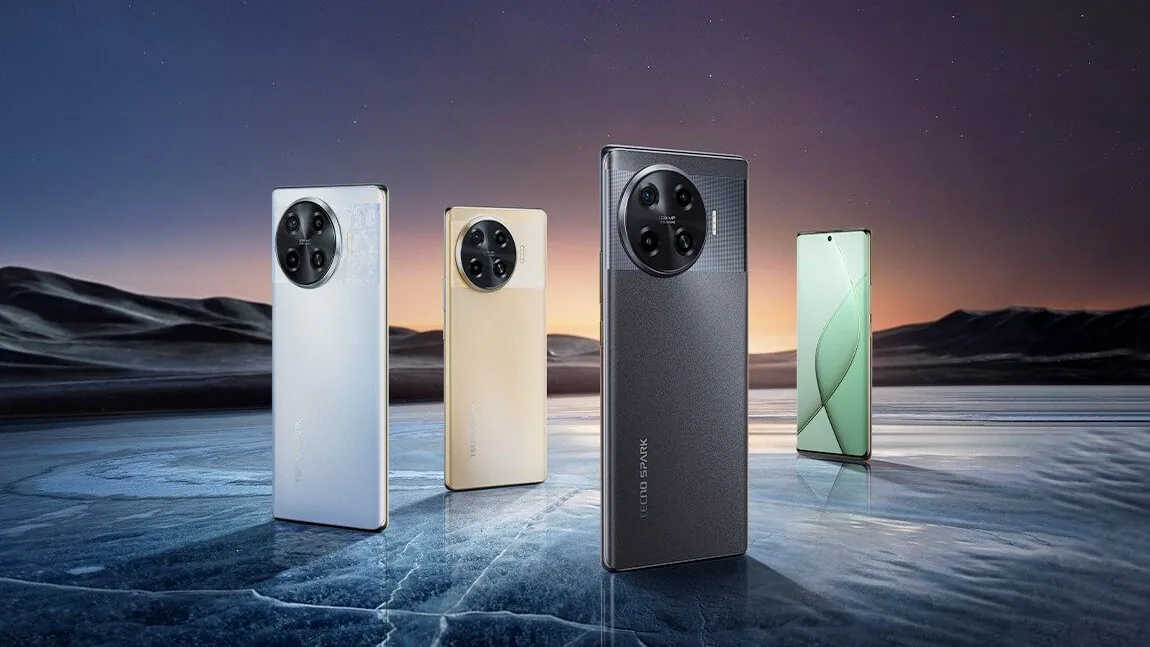
Transsion, the Chinese company behind phone brands like Tecno, Infinix and Itel phones, priced its Hong Kong share sale at HK$35.30 a share, its offer price announcement shows. Across the 86.6 million shares on offer, that’s about HK$3.06 billion (about $390 million or Php 24.5 billion) before fees. The shares are due to start trading on October 15th.
HK$35.30 is the very bottom of the HK$35.30 to HK$38.80 range in Transsion’s prospectus. This is a second listing: the company’s shares have traded on Shanghai’s STAR Market since 2019.
In case you weren’t familiar with Transsion, you may know about the phones they sell. According to the company’s prospectus, they had 53.1% of Africa’s phone market by units in 2025, citing the research firm Frost & Sullivan. Now Asia brings in more: emerging Asia-Pacific markets, a group the filing says includes Philippines, Indonesia, Pakistan, India, and Bangladesh, made up 39.2% of their revenue from January to April. Africa only made up 37.9%.
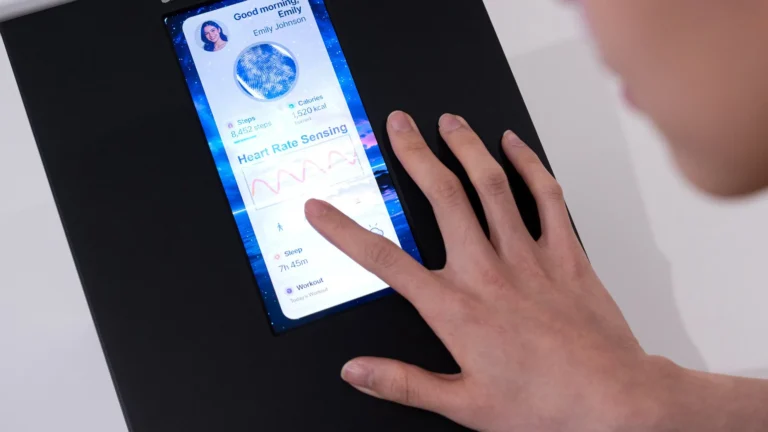
The tech story here is where the money goes. Transsion plans to put 40% of their net proceeds into AI research. More specifically, in small AI models for local languages and conversations that switch between them, including ones of about 3 billion (3B) parameters that run directly on phones with mid- to low-end chips.
“On-device” means the AI models run “locally,” on a phone’s own chip instead of a server far away. That matters for the AI assistant Transsion wants to build, which the filing says is meant for multilingual chats and offline or patchy connections.
Voiceprint recognition, which tells people apart by their voices, is on the list too. So is Transsion OS, the company’s Android-based software, which gets AI-driven power management for better battery life.
Part of the funds also go towards AI camera processing for low light and portraits. Cameras are an old strength: Transsion’s phones won over African and Filipino buyers partly with tuning for deeper skin tones, especially at night.
Then marketing gets a 30% cut, and one-third of that goes to ads on short-video platforms. Priorities, right?
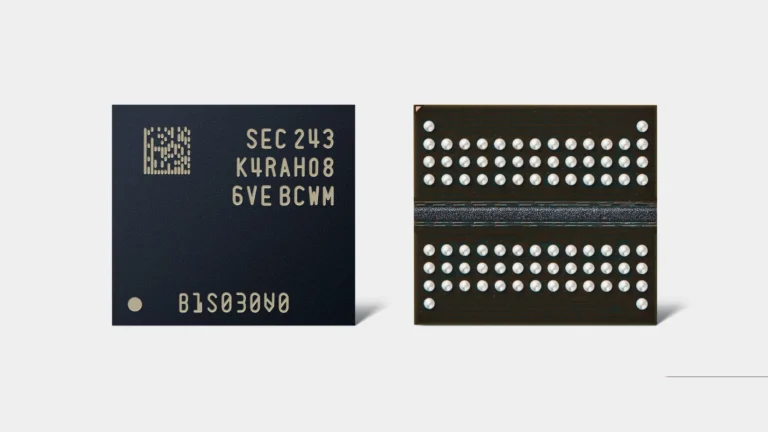
The money arrives at an awkward time for budget phones. Memory chips, the RAM and storage in every phone, made up 48.4% of the cost of the products Transsion sold from January to April, up from 24.5% a year earlier. It’s the same memory squeeze hitting the whole phone market. Transsion says it slowed shipments in 2025 rather than sell at thinner margins, then raised prices in 2026. Its 2025 profit fell 53.5%.
Some might say that Africa built Transsion. Now it is on the next stage of its journey, and its new pitch is a smart assistant on a phone with a modest chip – which investors just bought in at the lowest price on offer.