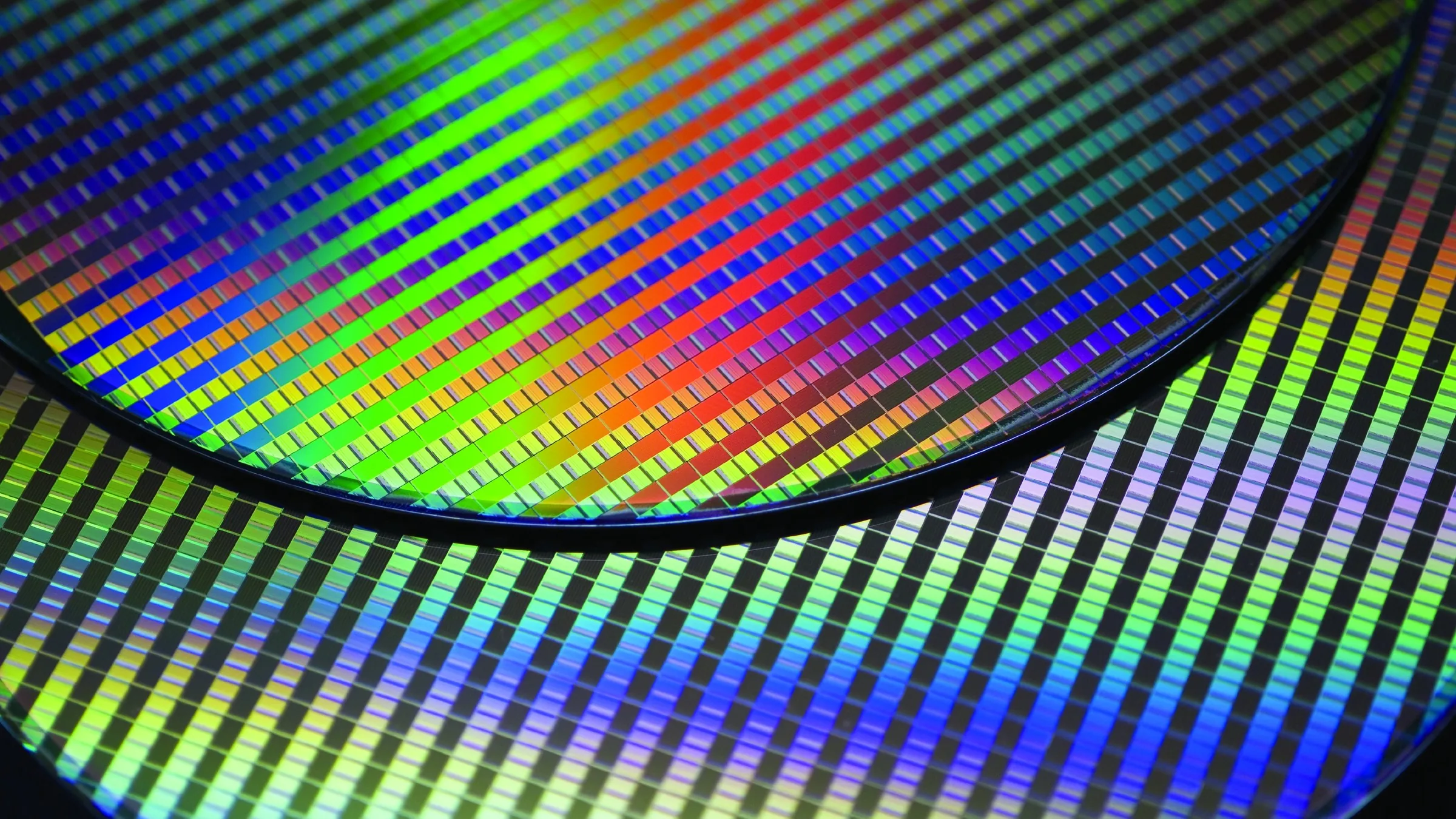
TSMC’s newest chipmaking process is already paying its way. Its 2-nanometer (2nm) process made 8% of total wafer revenue in the Q3 2026, TSMC announces. Its management report shows that’s up from 3% in the Q2 and nothing in 2025.
Revenue was NT$1,494.24 billion, or $46.72 billion (about Php 2.94 trillion), up 50.9% in Taiwan dollars and 41.2% in US dollars from a year ago. That beat the $44.6 billion to $45.8 billion TSMC had guided. Net income rose 68.7% to NT$763.06 billion (about $23.7 billion or Php 1.49 trillion).
The 3nm process made 33% of wafer revenue. 5nm, the biggest earner a year ago at 37%, slipped to 28%. All told, 7nm and more advanced processes made 79% of wafer revenue.
High-performance computing (HPC), the chip platform TSMC pitches for AI, made 68% of revenue and grew 22% from the second quarter. Smartphones fell to 21% of revenue, from 30% a year ago.
New processes are expensive before they’re cheap, and 2nm is no exception. That said, economies of scale were likely always going to make it cheaper and eventualy pay for itself, it was only a matter of time. For Q3, TSMC’s gross margin was 66.4%, 1.3 percentage points lower than the previous quarter, which the firm says is down to the early ramp-up of 2nm. It’s 6.9 points higher than a year ago.
TSMC expects Q4 revenue of $52.3 billion to $54.3 billion, with a gross margin of 65% to 67%. Chief financial officer Wendell Huang says that quarter will be supported by demand for its leading-edge processes, “including the steep ramp-up of our 2-nanometer technology.”
The take
The node chart here is the AI boom in one picture: the money goes wherever the newest processes are, and the AI spending the IMF says is propping up the world economy lands in TSMC’s fabs first. TSMC now expects its 2026 revenue to grow about 44% in US dollars.