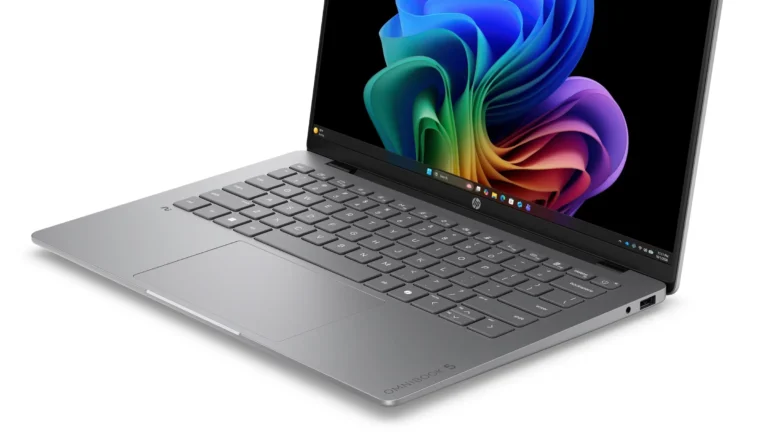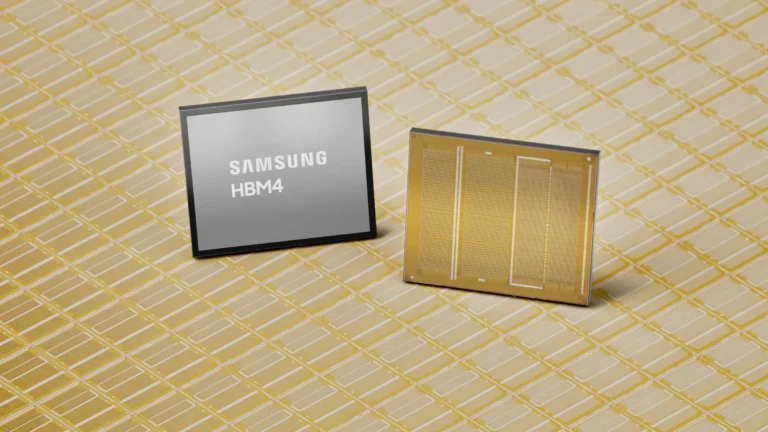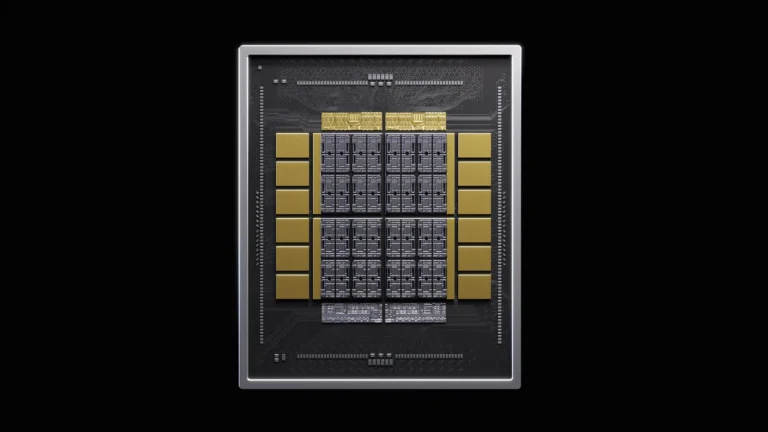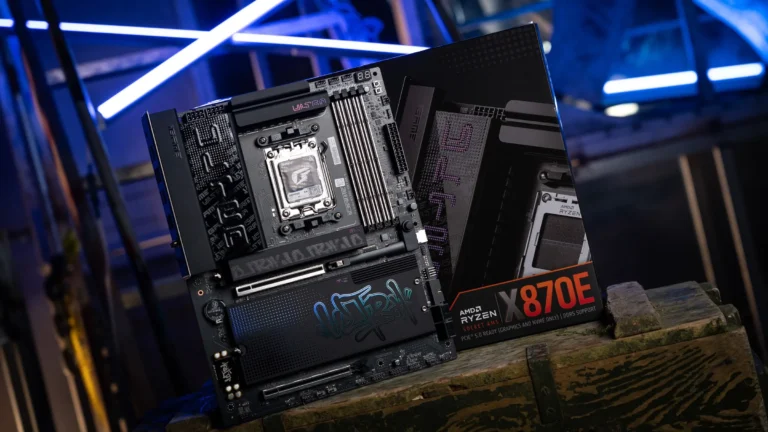
The humble circuit board has turned into a supply worry for PC makers. As HP, Dell and others map out what they’ll need for 2027, printed circuit boards (PCBs) have become an unlikely concern, Nikkei reports from Taipei.
The AI boom is behind the crunch. PCBs used to be a commodity. Boards have since been transformed to meet the demands of AI servers, and Nikkei now calls them essential AI building blocks.
PC makers have already been through this once this year: the memory crunch, worsened by AI and data center demand, pushed PC prices up.
NVIDIA, meanwhile, is booking chip substrates years ahead. The company says it plans to raise substrate capacity for its products 2.5 times over the next three years, with deals at three substrate makers so far and more underway. “Capacity is the constraint,” CEO Jensen Huang says in the announcement.
IBIDEN’s Ono plant in Japan gets a multibillion-dollar advance from NVIDIA to reserve capacity, under a deal first announced earlier this year. The plant aims to triple its capacity, with the new output expected to start ramping in the first quarter of 2028.
Unimicron’s substrate expansion in Taiwan, backed by a capacity reservation deal with NVIDIA, is expected to add capacity from the second quarter of 2027 and reach full capacity by mid-2028.
Samsung Electro-Mechanics is new to NVIDIA’s substrate supply chain. It brings capacity from its existing South Korean operations right away, with upgrades and new factories planned in Sejong and Busan. By 2028, NVIDIA expects production for it to make up a significant share of Samsung Electro-Mechanics’ annual package substrate capacity.
We’d joke that PC makers will be rationing screws next, but we’d rather not give anyone ideas.